What happened to blockchain
Remember blockchain? Remember crypto? I remember.
I remember the first time I heard about crypto and blockchain. No it wasn’t bitcoin or Gary V with his NFTs. It was back around 2014 when an old college friend, Charles Toll, told me about this ethereum thing with eth and how eth was gas. I had no idea what he was talking about but earlier he told me about this junka show called Ricky and Morty. It was a good show so I trusted what he said.
I thought you could like, make an MMO on it or run an RTS match. No, it was way too slow for that. Fast forward to the NFT boom and I found myself working adjacent to crypto marketing. No inspiration, anywhere. Everyone was selling shovels made of belief. The blockchain would bring utopia or a utopia off the coast of Australia on crypto island; some place a guy at a convention told me about. I am sure it was a big success.
It wasn’t, but during that time I wrote a single smart contract which gave me an idea.
All the code and docs for smart contracts were about finance ownership bullshit. Not a single example was even remotely inspired. Everything was extending standard NFT or currency contracts which had varying degrees of degen scams built into them.
However, in some 8 lines of magical solidity code one can get a global minecraft server that works just like in my ethereum dream years earlier. Best of all, with those same 8 lines you can filter out griefers. I started this project but life made a dog out of me and then the AI nation attacked.
Feel free to skip right to the multiplayer global Minecraft server running on the blockchain. Yes, it will run on your phone.
Today however, with the power of modern “google fu”, my dream has come true. Behold.
pragma solidity ^0.8.24;

contract WorldBlock {
    mapping(bytes32 => uint256) public cell;

    event Set(bytes32 indexed key, address indexed by, uint256 value);

    function set(bytes32[] calldata keys, uint256[] calldata values) external {
        require(keys.length == values.length);
        for (uint256 i; i < keys.length; ++i) {
            cell[keys[i]] = values[i];
            emit Set(keys[i], msg.sender, values[i]);
        }
    }
}
This smart contract with about 12 lines of code powers my global minecraft server.
Everyone calls the single function which upserts a block into the world. That’s it. A block is a byte so 255 possible values. You got gas? You shape the world.
What about assholes with money? Well because the chunk data is in the function call, the blockchain log contains a copy of all deltas. Look up all the transactions for a chunk in the world and splice out the ones you don’t like. Now the rich can buy the world as many times as they want and us poors can continue enjoying our little communities unmolestered. Win win win.
This strategy is called indirection where one system offloads complexity to another. In this case the game client has all the complexity. It is what decides how to read the blockchain and push to it, how to hold local edits before committing, what each of the 255 block ids look like, all of it. Heck, it could interpret the chunk bytes as anything really.
Don’t worry, my global minecraft server wouldn’t be interesting without a fancy multiplayer client to use. Lucky for you, I have just the thing.
This client will let you create a room for your friends to join in a lan-like realtime game. This allows for a more authentic minecraft experience where saves to the global store can happen as needed but player edits and movement are realtime. There are a few emotes and skins to choose from.
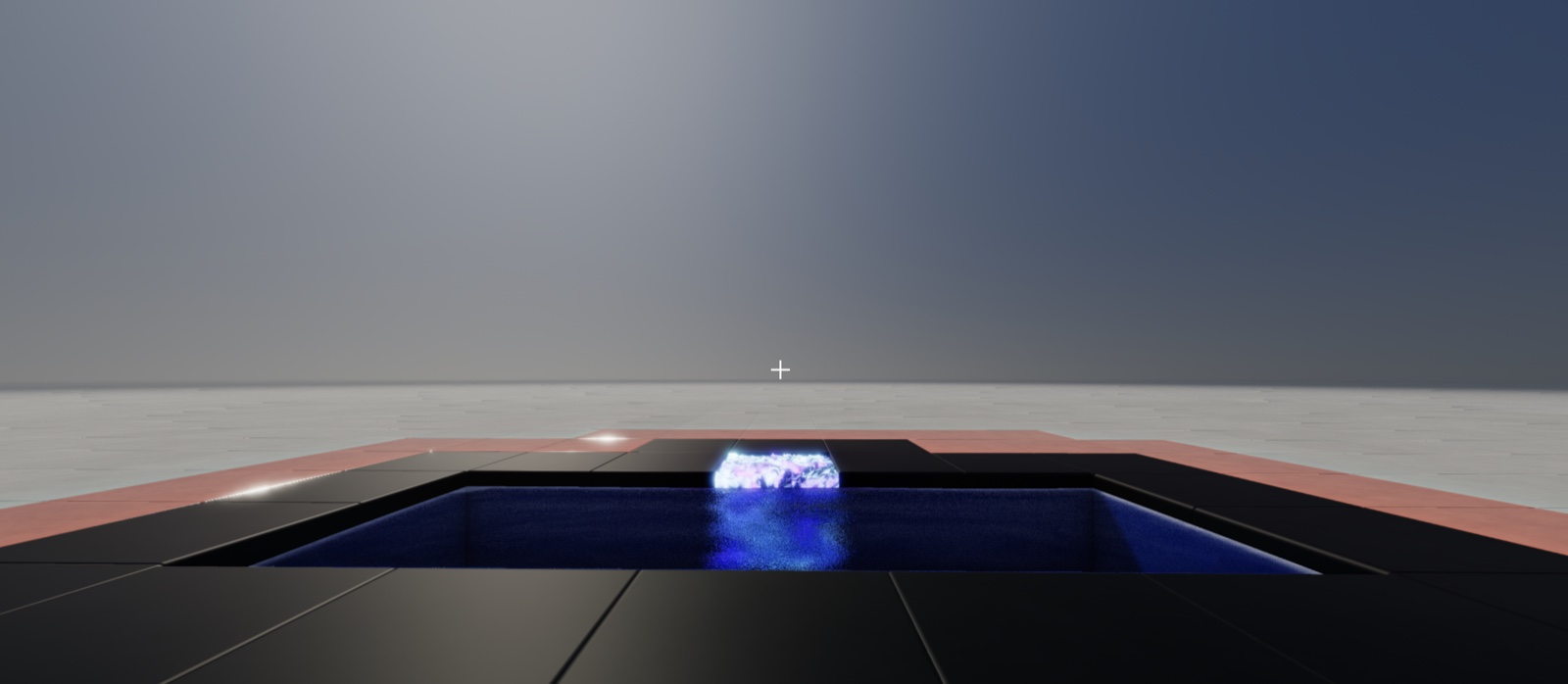
I have the client mapping chunk data to global geodesics down to about a 1:1 block to meter. I map real world locations into the global minecraft state. You can now visit China, Russia, and Canada without borders. I wonder if France will have an Eiffel Tower?
The client is a janky ass vibe coded mess with hacked up GI. If it doesn’t crash, that is a victory. So here is a recording just in case.
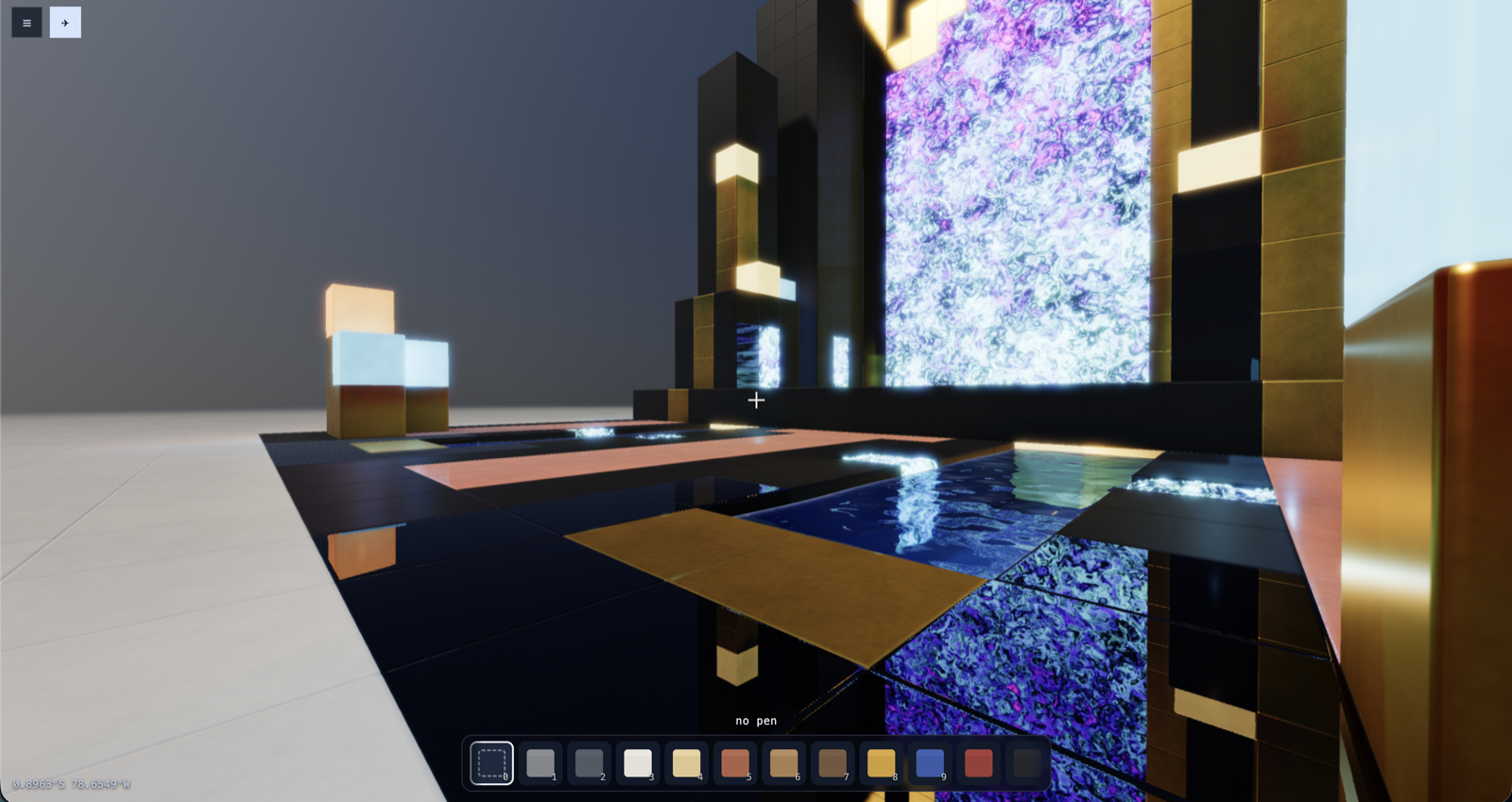
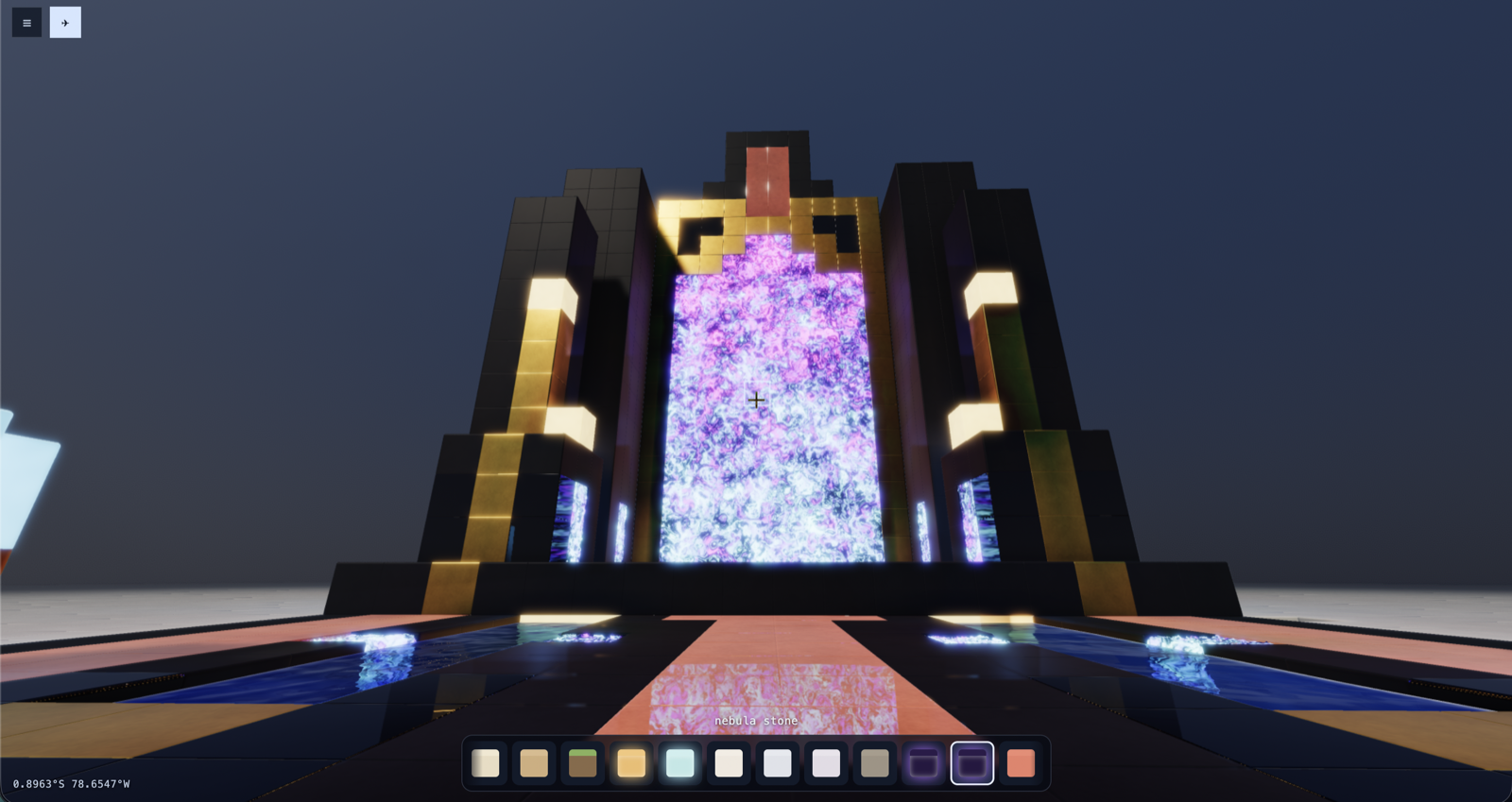
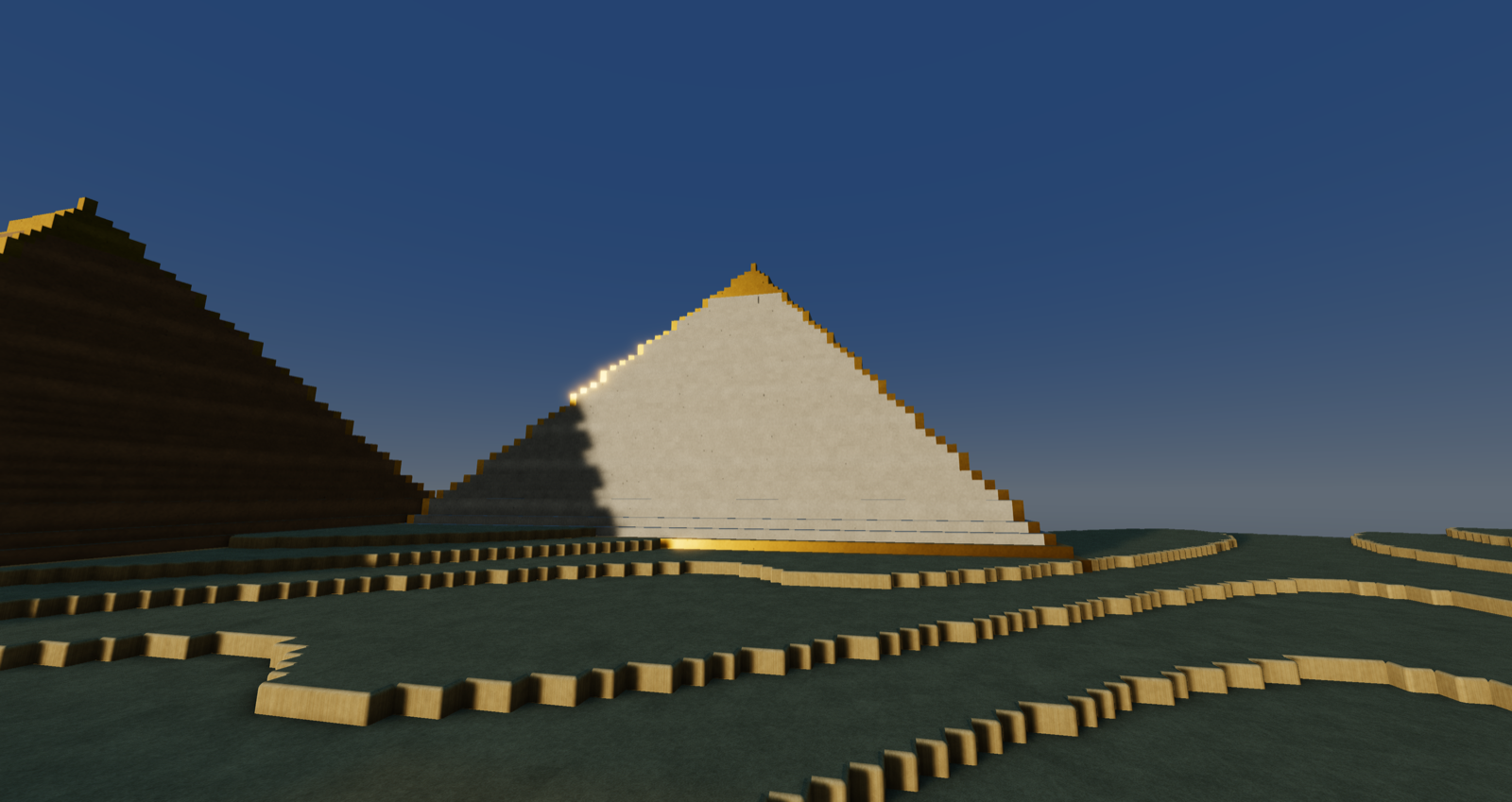
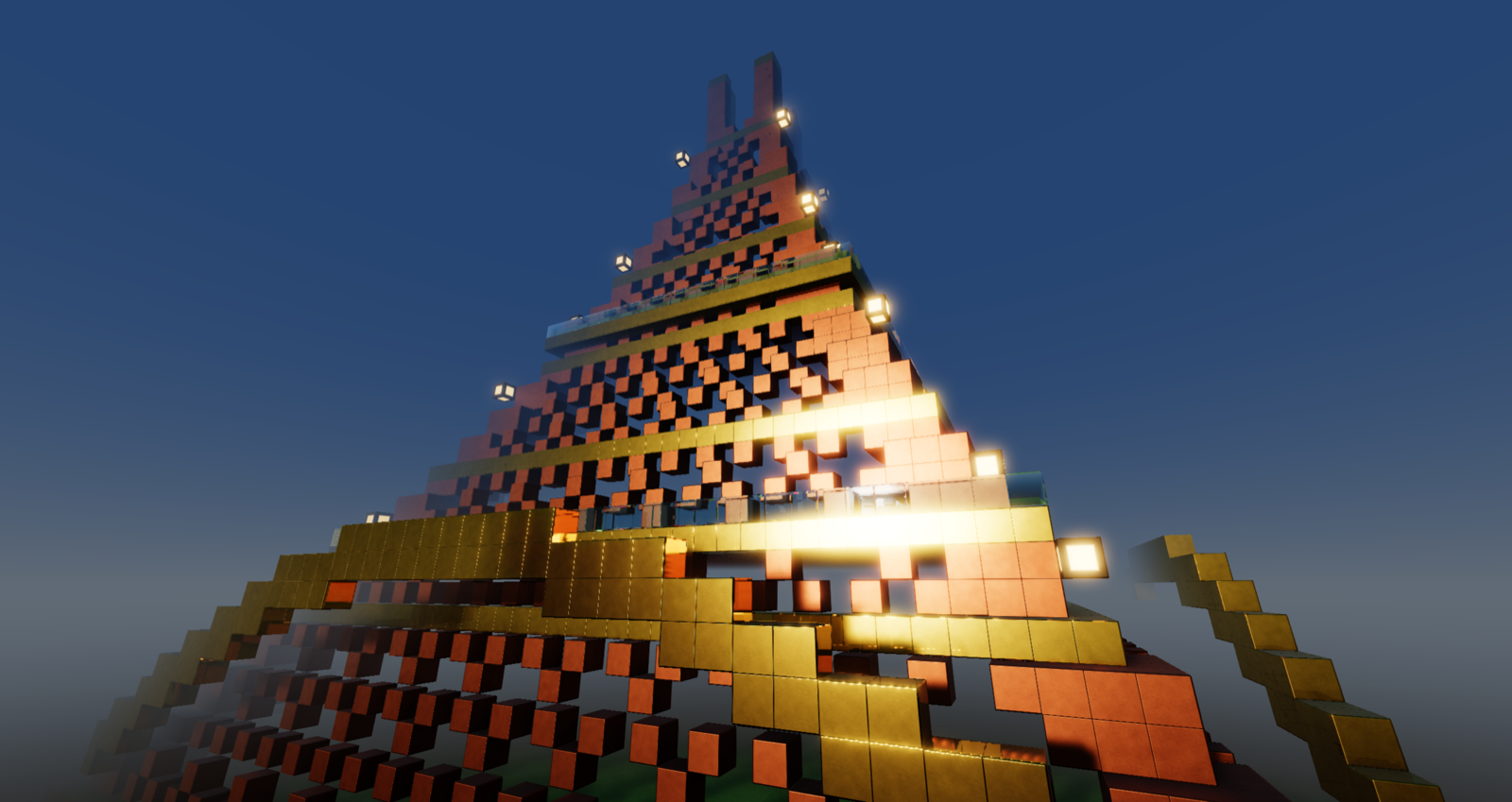
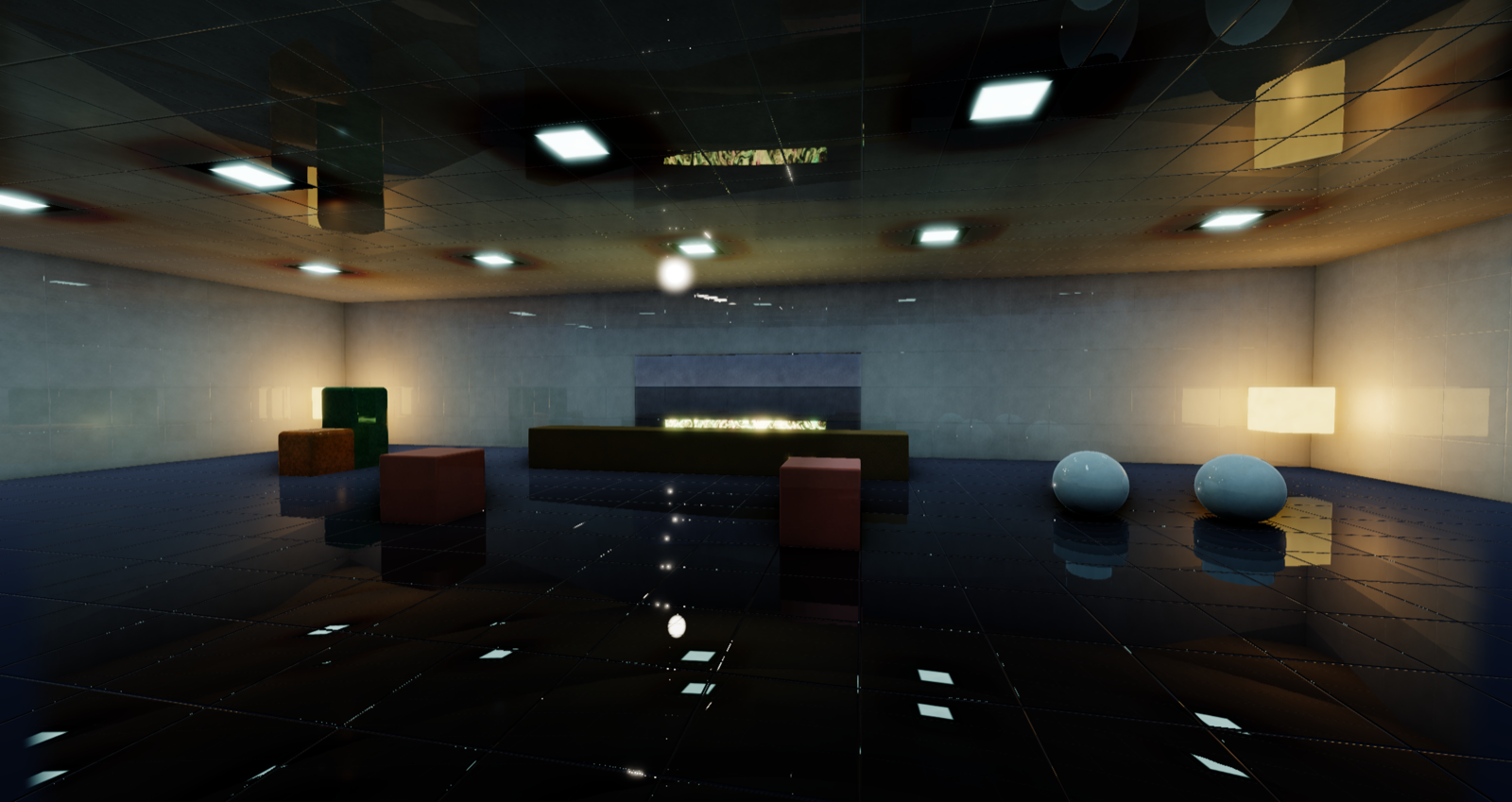
I think this accomplishes, in theory, my original idea of an MMO if you squint right. The blockchain thing is hilarious. Block chain and crypto are still kick’in around but with a legal gambling slant more than anything AI. But who knows, maybe blockchain has other uses people don’t know about.
For me, I use it for a minecraft server that anyone can play.
One thing that has not changed since I last dabbled around with smart contracts, the DX is still awful. You can run a local blockchain which makes testing locally trivial. However, validating on a test network or production is a giant bitch. Test nets will give free tokens to wallets for testing contracts on the network. The network resets as new node versions are made and slowly rolled out. They limit the amount of tokens that are given out for abuse prevention.
The crux is that 99% of the flows today for test tokens just outright don’t work. Coinbase has a circular loop where the article for getting test tokens from their faucet links to itself. Others require authentication but when you try to link it goes to a 404 page on github. One had special guide for agents (Solana I think) on how they can automatically get test funds but it seems my IP was perpetually rate limited. Alchemy a “battle tested” crypto platform has a “Insufficient balance! You need at least 0.001 ETH on Ethereum Mainnet.” when you try and get testnet tokens. Top tier engineering right there.
Buying crypto is still insane. I tried about ten different onramps which all failed in different ways at different points in the kyc process. Coinbase just gave a page with a 500 error. You’d think they’d be solid. Sadly, I could not get anything to let me buy real Solana so that never made it to production.
This sounds comical but it is exactly where the industry always was. The tech powering blockchains is genuinely interesting. The problem is that setting up a bunch of REST apis and a few third party id verification vendors is still vastly easier and simpler than touching blockchain. The tech in crypto and blockchains is powerful but has always been unusable.
Where is crypto today? The same place it was yesterday.